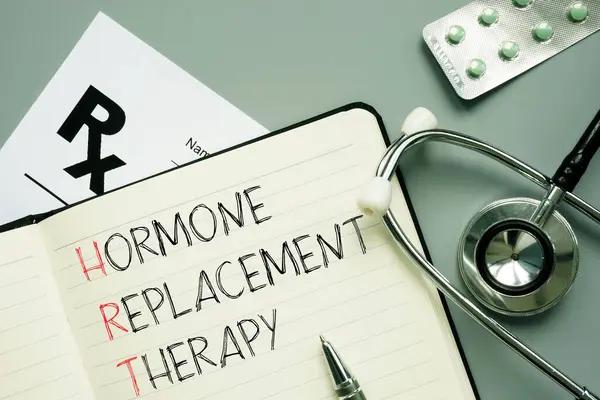
Testosterone replacement therapy (TRT) has gained significant attention for its potential effects on muscle growth and strength, particularly among men experiencing low testosterone levels due to aging or medical conditions. Testosterone is a vital hormone that plays a crucial role in the development and maintenance of male characteristics, including muscle mass and physical strength. When natural testosterone production declines, individuals may notice reductions in muscle size, strength, energy levels, and overall physical performance. TRT aims to restore testosterone levels to a normal range through medically supervised administration of synthetic or bioidentical testosterone.
One of the primary ways TRT influences muscle growth is by enhancing protein synthesis within muscle cells. Protein synthesis is essential for repairing damaged muscles and promoting new tissue formation after exercise or injury. Increased testosterone availability stimulates this process more effectively, allowing muscles to recover faster and grow larger over time. Additionally, testosterone promotes nitrogen retention in muscles; nitrogen balance is critical because it reflects the body’s anabolic state necessary for building lean tissue. A positive nitrogen balance means that muscle breakdown is minimized while repair mechanisms are amplified.
Gilbert ED clinic
Furthermore, Limitless TRT & Aesthetics Gilbert can improve muscle fiber size by encouraging hypertrophy-the enlargement of individual muscle fibers rather than an increase in their number. This effect results from hormonal signaling pathways activated by higher testosterone concentrations that regulate gene expression related to cell growth and differentiation. Consequently, users often observe increases in both muscular endurance and peak strength capacity during resistance training programs.
Beyond direct effects on muscles themselves, TRT also impacts factors contributing indirectly to improved physical performance. For instance, it enhances red blood cell production through stimulation of erythropoiesis in bone marrow. More red blood cells mean better oxygen delivery throughout the body during workouts which supports sustained effort and quicker recovery times between sets or sessions.
However, it is important to recognize that TRT’s benefits depend heavily on appropriate dosing under medical supervision combined with regular exercise tailored toward strength training goals. Without proper guidance or lifestyle adjustments such as adequate nutrition and rest, gains might be limited despite increased hormone levels.
While many studies confirm positive outcomes regarding lean mass gain and enhanced muscular function with TRT use among hypogonadal men-those diagnosed with clinically low testosterone-results vary individually based on age, baseline health status, genetics, activity level, and other variables influencing responsiveness to treatment.
In summary, testosterone replacement therapy can significantly affect muscle growth and strength by boosting protein synthesis rates within muscles along with improving cellular processes responsible for hypertrophy while supporting better oxygenation through increased red blood cell counts.
Limitless TRT & Aesthetics
3483 Mercy Rd #104, Gilbert, Arizona 85297
480-400-0105