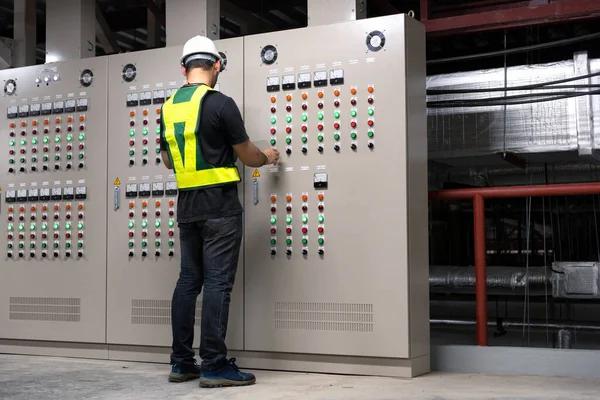
Commercial refrigeration systems play a crucial role in the food industry by maintaining optimal conditions for preserving perishable products. These systems are designed to regulate temperature, humidity, and airflow, which directly influence the safety and quality of food items. Proper refrigeration slows down microbial growth and enzymatic reactions that cause spoilage, thereby extending shelf life and reducing waste. Effective commercial refrigeration solutions help businesses meet regulatory standards while ensuring consumer satisfaction through fresh, safe products.
Modern commercial refrigeration units come in various forms such as walk-in coolers, reach-in refrigerators, display cases, and refrigerated prep tables. Each type serves specific functions depending on the nature of the food being stored and operational requirements. For example, walk-in coolers provide large-scale storage ideal for bulk inventory management in restaurants or grocery stores. Reach-in refrigerators offer easy access to frequently used ingredients without compromising internal temperatures. Display cases combine preservation with marketing by showcasing products attractively while maintaining necessary cooling.
Energy efficiency is a significant consideration when selecting Commercial Refrigeration systems due to their continuous operation and impact on utility costs. Advances in technology have led to more energy-efficient compressors, improved insulation materials, and intelligent control systems that optimize performance based on real-time conditions. These developments not only reduce environmental footprints but also lower operating expenses for businesses over time.
Temperature uniformity inside refrigeration units is vital for consistent food preservation outcomes. Uneven cooling can result in hot spots where bacteria multiply more rapidly or cold zones causing freezing damage to delicate items like leafy greens or dairy products. High-quality commercial refrigeration equipment incorporates features such as variable speed fans and strategically placed vents to promote even air circulation throughout the compartment.
Maintenance practices significantly affect the reliability of commercial refrigeration systems supporting efficient food preservation needs. Regular cleaning of condenser coils prevents dust accumulation that impairs heat exchange efficiency; timely replacement of door gaskets ensures proper sealing against warm ambient air; periodic checks on refrigerant levels avoid system strain leading to breakdowns or compromised cooling capacity.
Integration with digital monitoring technologies enhances oversight capabilities by providing alerts about temperature deviations before product quality is jeopardized. Remote monitoring allows operators to respond promptly to issues regardless of location, minimizing risks associated with equipment failure during critical storage periods.
In summary, commercial refrigeration systems are indispensable tools for preserving food safely and efficiently within professional settings. Their design focuses on maintaining stable temperatures tailored to diverse product requirements while optimizing energy use through innovative components and controls. Proper maintenance combined with modern monitoring solutions further supports consistent performance essential for protecting both business investments and public health interests related to fresh food availability year-round.