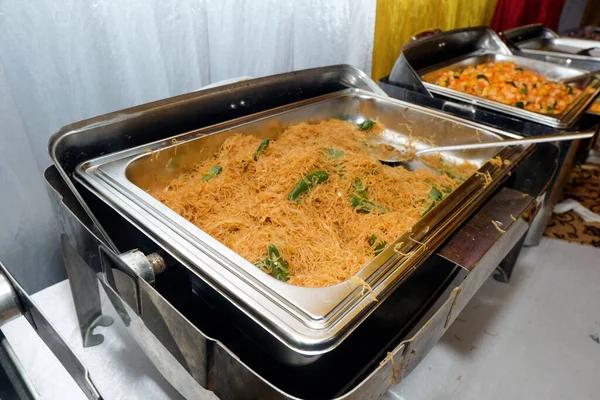
When selecting a food warmer display, several important features should be taken into account to ensure optimal performance, convenience, and food safety. One of the primary considerations is temperature control. A reliable food warmer must maintain consistent heat levels to keep food at safe serving temperatures without overcooking or drying it out. Adjustable thermostats are essential as they allow users to set precise temperatures suitable for different types of food items, ensuring freshness and quality throughout service hours.
Another critical aspect is the design and construction material of the display unit. Stainless steel is a popular choice due to its durability, ease of cleaning, and resistance to corrosion. This material not only promotes hygiene but also withstands frequent use in busy commercial environments such as restaurants or catering services. The visibility of the displayed items also plays a significant role; therefore, models with clear glass panels or acrylic windows are preferred since they showcase food attractively while protecting it from contaminants.
Size and capacity should align with the intended use and available space. Food warmer displays come in various dimensions ranging from countertop units suitable for smaller operations to larger floor-standing models designed for high-volume settings. It’s important that the chosen size accommodates enough product without overcrowding so that heat distribution remains even across all trays or compartments.
Ease of maintenance cannot be overlooked when evaluating options. Removable trays or pans simplify cleaning processes by allowing quick access to all surfaces where food residue might accumulate. Additionally, units featuring drip trays help collect excess moisture or grease, reducing messes and enhancing overall sanitation standards.
Energy efficiency is another factor worth considering given rising operational costs and environmental concerns. Models equipped with insulated walls minimize heat loss which reduces electricity consumption while maintaining steady warmth inside the display case.
Some advanced food warmers offer additional features like humidity control systems that prevent foods from drying out by preserving moisture levels within enclosed spaces. This feature is particularly beneficial for baked goods or fried items that require crisp textures alongside warmth.
User-friendly controls including digital displays provide intuitive operation by showing real-time temperature readings and allowing easy adjustments during service periods without interrupting workflow.
Lastly, portability may be an advantage depending on how frequently the unit needs relocation within a venue or transport between locations for events.
In summary, when choosing a Food Warmer Display, focus on consistent temperature regulation, durable materials like stainless steel with clear viewing panels, appropriate size relative to your needs, simple maintenance capabilities including removable parts and drip trays, energy-efficient insulation methods along with optional humidity control features for maintaining product quality throughout service times-all supported by straightforward user controls tailored toward seamless daily operation in professional settings.