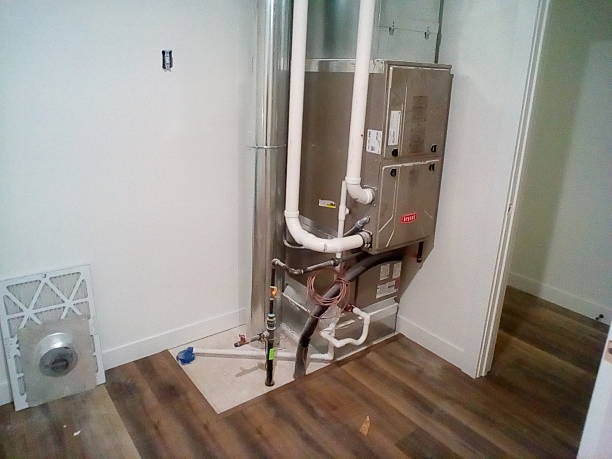
When homeowners invest in attic improvements, such as enhanced insulation or air sealing, it often leads to significant changes in the overall comfort and energy efficiency of their home. However, these upgrades also impact the performance and suitability of existing heating systems. Exploring furnace and heat pump options after making attic enhancements is essential to ensure optimal heating efficiency, cost savings, and environmental benefits.
Improving attic insulation reduces heat loss during colder months and limits heat gain in warmer months. This means that the heating system no longer has to work as hard to maintain a comfortable indoor temperature. As a result, the capacity and type of heating equipment that was previously adequate might now be oversized. An oversized furnace or heat pump can cycle on and off frequently, leading to inefficiency, increased wear and tear, and uneven heating. Therefore, it is crucial to reassess the heating system’s requirements after attic improvements.
Furnaces remain a popular choice for heating, especially in regions with colder climates. Modern high-efficiency furnaces are designed to operate at AFUE (Annual Fuel Utilization Efficiency) ratings of 90% or higher. After attic upgrades, homeowners may find that a smaller capacity furnace can meet their needs, resulting in lower upfront costs and reduced operational expenses. Additionally, upgrading to a furnace with variable-speed blowers can enhance comfort by providing more consistent heat distribution and better humidity control.
Heat pumps, on the other hand, offer an energy-efficient alternative that provides both heating and cooling. They work by transferring heat rather than generating it through combustion, making them more environmentally friendly and cost-effective over time. Following attic explore solution details insulation improvements, heat pumps become even more attractive because their efficiency is maximized when the home’s thermal envelope is tighter. Modern heat pumps, including cold-climate models, can efficiently operate in temperatures well below freezing, making them suitable for various geographic locations.
When selecting between a furnace and a heat pump after attic improvements, consider factors such as local climate, fuel availability, installation costs, and long-term energy savings. For instance, heat pumps powered by electricity may be preferable in areas with renewable energy sources or where electricity prices are stable and reasonable. Conversely, natural gas furnaces might remain the better choice in regions where gas is affordable and heating demands are extreme.
In summary, attic improvements significantly influence the heating needs of a home. Homeowners should explore furnace and heat pump options carefully to ensure their heating system aligns with the new energy dynamics of their home. Consulting with HVAC professionals to perform load calculations and evaluate system compatibility is recommended. This approach ensures comfort, efficiency, and cost-effectiveness in the long run, ultimately making the most of the attic upgrades.