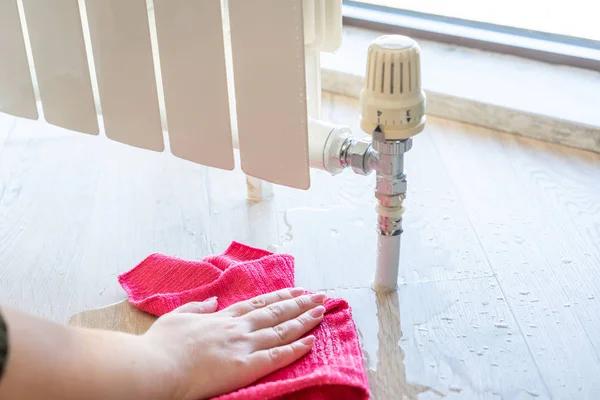
Drain clogs are a common household problem that can quickly escalate into costly and inconvenient emergencies if not addressed promptly. Recognizing the early warning signs of drain blockages is crucial for homeowners to prevent significant plumbing issues. By understanding these common symptoms, you can take timely action to maintain the smooth flow of your drainage system and avoid disruptions in your daily routine.
One of the most noticeable signs of a developing drain clog is slow drainage. If water in your sinks, bathtubs, or showers takes longer than usual to drain, it may indicate a partial blockage. Slow drainage often starts subtly but worsens over time as debris accumulates. Ignoring this symptom can lead to a complete clog, resulting in standing water and unpleasant odors.
Another warning sign to watch for is gurgling sounds coming from your drains or toilets. These noises occur when trapped air struggles to escape through the narrow or check my source blocked pipes. Gurgling drains often indicate that wastewater is having difficulty flowing, signaling an impending clog. It’s essential to address such sounds promptly to prevent backups and potential water damage.
Foul odors emanating from your drains are also a clear indication of clogging issues. When organic materials like hair, grease, and food particles build up inside pipes, they can decompose and create unpleasant smells. Persistent odors that don’t dissipate after cleaning your drains suggest that there is a blockage further down the line that requires professional attention.
Water backups in sinks, tubs, or toilets are a more severe warning that your drain is clogged. This occurs when wastewater cannot flow through the pipes and reverses direction, causing flooding in your fixtures. Water backups not only disrupt your household activities but can also cause damage to floors, walls, and cabinets, necessitating expensive repairs.
Frequent clogs in multiple drains simultaneously often point to a blockage in the main sewer line. Unlike isolated clogs in a single drain, main sewer line issues require immediate professional intervention to prevent sewage backups into your home. If you notice multiple drains backing up or draining slowly, it’s critical to contact a licensed plumber right away.
To minimize the risk of drain clogs becoming emergencies, regular maintenance is key. Avoid disposing of grease, coffee grounds, and large food particles down your drains. Use drain strainers to catch hair and debris, and consider periodic professional drain cleaning to keep your pipes clear. Early detection and preventive care can save you time, money, and the stress associated with emergency plumbing repairs.