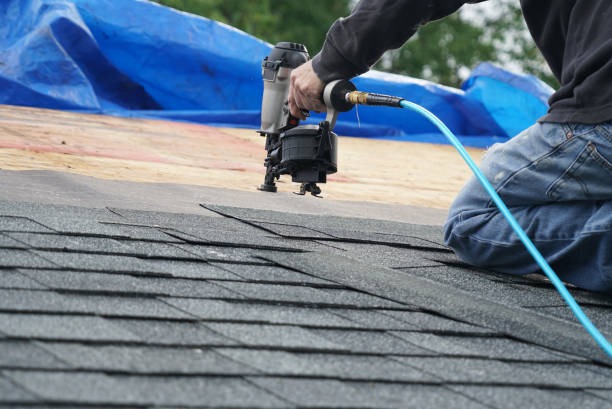
Choosing the right roofing materials is a critical decision for homeowners and building managers alike. The roof not only protects the structure from harsh weather conditions but also plays a significant role in the property’s aesthetic appeal and energy efficiency. Expert roofing contractors emphasize the importance of selecting materials that align with the specific needs of the building, budget constraints, and long-term durability requirements.
One of the first considerations when selecting roofing materials is the local climate. For instance, in regions with heavy rainfall or snowfall, materials such as metal or slate, known for their waterproof and snow-shedding capabilities, are often recommended. Conversely, in hot and sunny areas, reflective roofing materials like certain types of shingles or tiles can help reduce cooling costs by reflecting sunlight away from the building. Expert contractors advise clients to assess how different materials perform under local weather conditions to ensure longevity and minimize maintenance.
Durability is another crucial factor when choosing roofing materials. Some materials, like asphalt shingles, offer affordability and ease of installation but typically have a shorter lifespan. On the other hand, materials such as clay tiles, concrete tiles, and metal roofing provide enhanced durability and can last several decades if properly maintained. Roofing professionals often suggest balancing upfront costs with potential long-term savings to find the most cost-effective solution. Additionally, they highlight the importance of quality underlayment and proper installation, which greatly influence the roof’s performance regardless of the chosen material.
Aesthetic preferences also play a role in material selection. Roofing materials come in various colors, textures, and styles, allowing property owners to complement their building design and neighborhood. For example, wooden shakes offer a explore more rustic appearance, while synthetic materials can mimic natural ones but with added benefits like resistance to fire and insects. Expert contractors recommend reviewing samples and visualizing the finished look to ensure satisfaction with the final result.
Environmental impact is gaining increased attention in roofing decisions. Many roofing contractors now guide clients toward eco-friendly materials such as recycled metal or sustainable wood products. Additionally, green roofing options, including living roofs with vegetation, are becoming popular for their insulation properties and contribution to urban biodiversity. Selecting roofing materials that support energy efficiency and environmental sustainability can add value to the property and reduce its carbon footprint.
Finally, professional roofing contractors stress the importance of working with experienced installers. Proper installation is critical to maximizing the benefits of any roofing material, preventing leaks, and avoiding premature wear. Contractors often provide detailed consultations to help clients understand warranties, maintenance requirements, and compatibility with existing structures.
In summary, expert roofing contractor guidance is invaluable when selecting roofing materials. By considering climate, durability, aesthetics, environmental impact, and installation quality, property owners can make informed decisions that protect their investment and enhance the beauty and functionality of their buildings.